Accidents happen in every household. A glass slips from the sink, a plate cracks while washing dishes, or a small appliance is accidentally damaged during cleaning. When this happens, many employers ask the same question:
“Can I ask my helper to pay for the broken item?”
In most situations, the answer is no.
Under Singapore’s Ministry of Manpower (MOM) regulations, employers are generally not allowed to deduct a migrant domestic worker’s (MDW’s) salary or require compensation for accidental damage that occurs while carrying out her work. Understanding the rules can help employers avoid legal issues while maintaining a positive and respectful working relationship with their helper.
🚫 What Is Not Allowed
Can Employers Make Helpers Pay for Broken Items?
No. If the damage was accidental and occurred while the helper was performing her normal household duties, employers cannot require repayment or deduct the cost from her salary.
This applies to common household accidents such as:
- Breaking plates, bowls, glasses, or cups
- Damaging kitchen appliances during normal use
- Accidentally staining or damaging furniture
- Breaking household decorations or ornaments
- Unintentional damage while cleaning or handling household items
Under MOM regulations, these situations are generally considered part of the normal risks of household work rather than misconduct by the helper.
Are Salary Deductions for Broken Items Allowed?
In general, no.
MOM has strict rules on when employers can make deductions from a domestic worker’s salary. Salary deductions are only allowed under specific circumstances permitted by law. Accidental breakages are not one of them.
Making unauthorised salary deductions could place employers at risk of breaching Singapore’s employment regulations.
MOM Reference:
https://www.mom.gov.sg/employment-practices/salary/salary-deductions
✅ What Is Allowed (Very Limited)
When Can Salary Deductions Be Made?
There are only limited situations where salary deductions may be permitted, including:
- Absence from work without a valid reason
- Other deductions specifically allowed under Singapore employment regulations
Even in these situations, deductions must:
- Comply with MOM’s regulations
- Be reasonable and lawful
- Be properly documented where required
- Stay within the permitted deduction limits
Employers should never assume they can deduct wages simply because household property was damaged.
MOM Reference:
https://www.mom.gov.sg/employment-practices/salary
What If the Damage Is Expensive?
It is understandable to feel frustrated if an expensive appliance, television, or piece of furniture is damaged. However, the cost of the item does not change the legal position.
Even if the damaged item is valuable:
- You cannot force your helper to reimburse you.
- You cannot deduct the amount from her salary without legal authority.
- You should avoid using financial penalties as a form of discipline.
Instead, consider addressing the situation constructively.
What Should Employers Do Instead?

Rather than focusing on compensation, employers should identify why the accident happened and how similar incidents can be prevented.
Some practical steps include:
- Discuss the incident calmly and respectfully.
- Explain how the item should be handled in the future.
- Provide additional guidance or hands-on training if needed.
- Supervise new helpers more closely during their adjustment period.
- Review whether clearer instructions or household procedures could help.
Many accidents occur because domestic workers are unfamiliar with the appliances, cleaning products, or household routines used in a new home.
Why Do Household Breakages Happen?
💡 Most accidental damage is not intentional.
Common reasons include:
- The helper has never used a particular appliance before.
- Household equipment differs from what she has previously experienced.
- She has not yet received sufficient training.
- She is rushing to complete multiple tasks.
- She is nervous or worried about making mistakes.
Recognising these factors allows employers to focus on improvement rather than punishment.
Why Training Is More Effective Than Punishment
A helper who receives proper guidance is far less likely to repeat the same mistake.
Investing time in training can lead to:
- Better household efficiency
- Fewer accidents over time
- Greater confidence in performing daily tasks
- Improved communication between employer and helper
- A stronger and more trusting working relationship
Punishing accidental mistakes financially may increase stress and reduce confidence, making future errors more likely.
Best Practices for Employers

To reduce accidental damage and maintain a positive employment relationship:
- Accept that occasional accidents are part of everyday household work.
- Demonstrate tasks clearly instead of assuming prior knowledge.
- Introduce new appliances and equipment patiently.
- Provide regular feedback and encouragement.
- Supervise new helpers until they become familiar with your household routines.
- Avoid unauthorised salary deductions or demands for compensation.
Building trust through communication and proper training benefits both employers and helpers in the long run.
Frequently Asked Questions (FAQs)
Can I deduct my helper’s salary if she accidentally breaks a plate?
No. Accidental breakage during the course of normal work generally does not allow employers to deduct a helper’s salary under MOM regulations.
What if my helper damages an expensive appliance?
Even if the item is expensive, employers generally cannot recover the cost through salary deductions for accidental damage. Instead, discuss the incident, provide further training, and review ways to prevent similar accidents.
What if the damage was intentional?
Intentional misconduct may be treated differently depending on the circumstances. Employers should seek appropriate advice and follow Singapore’s employment laws before taking any action.
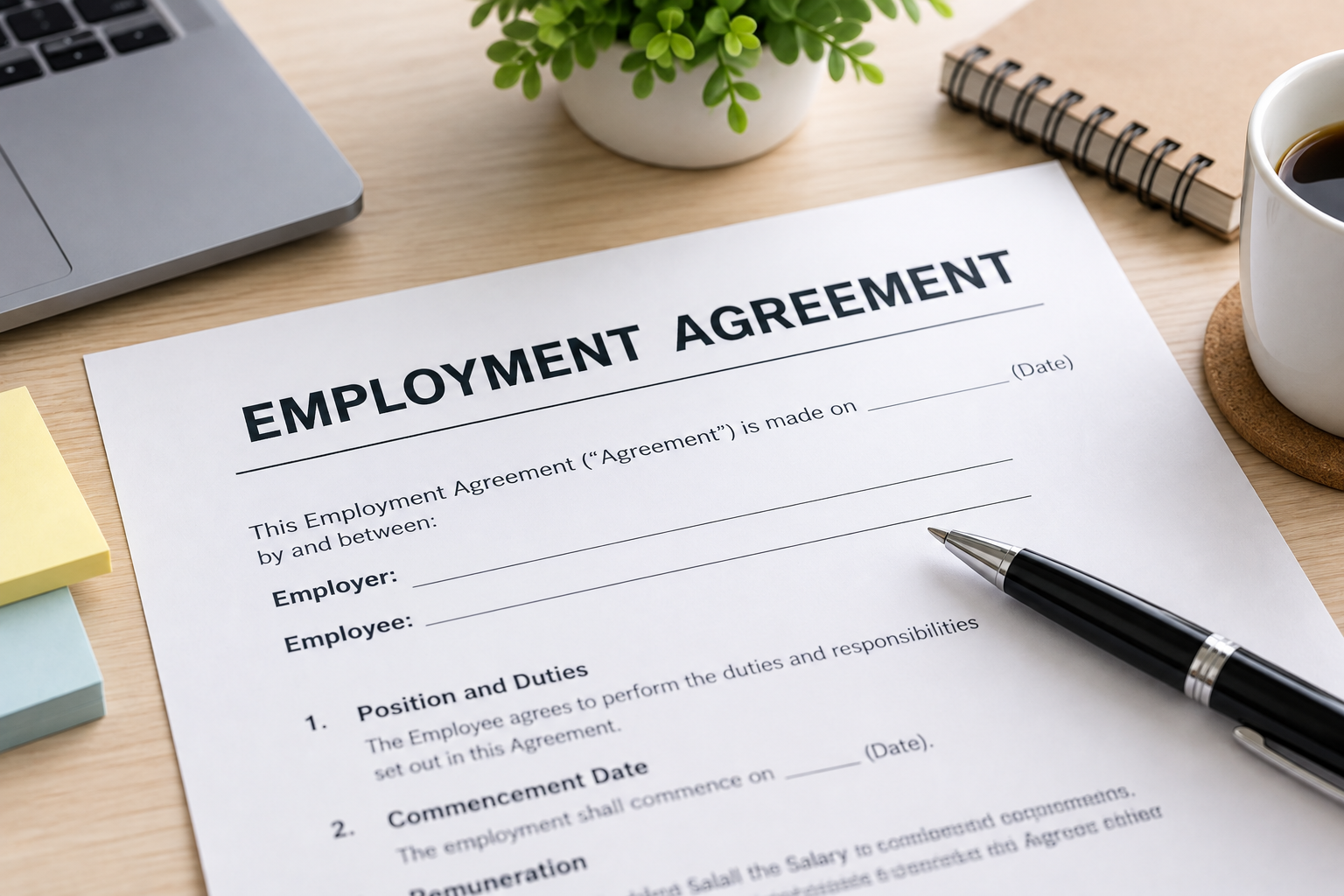
Can I include a clause in the employment contract requiring repayment?
Employment contract terms cannot override Singapore’s employment laws. A contractual clause allowing unauthorised salary deductions may not be legally enforceable if it conflicts with MOM regulations.
Need Advice on Managing Your Domestic Helper?

Handling accidental damage or other household issues can sometimes be challenging. Knowing your responsibilities under MOM regulations can help you make fair and informed decisions while maintaining a positive relationship with your helper.
If you need guidance on managing your domestic helper or are looking to hire a reliable helper, Grace Home is here to help. Our experienced consultants provide practical advice and support to help you build a harmonious and compliant household.
👉 Contact Grace Home today to speak with our team and find the right domestic helper solutions for your family.