Caring for a baby requires patience, attentiveness, and a good understanding of an infant’s daily needs. For parents who are balancing work, household responsibilities, and childcare, having a reliable baby caregiver at home can provide valuable support.
However, caring for a baby involves more than simply watching over them. A suitable caregiver should understand basic infant care, hygiene, feeding, safe handling, routines, and communication. Having relevant experience and training can also give a caregiver a stronger foundation before they begin supporting a family.
At Grace Home, we understand that every household has different needs. Whether you are looking for a helper to support newborn care, assist with your baby’s daily routine, or manage childcare alongside household responsibilities, finding someone with the right skills and attitude is important.
What Is a Baby Caregiver?
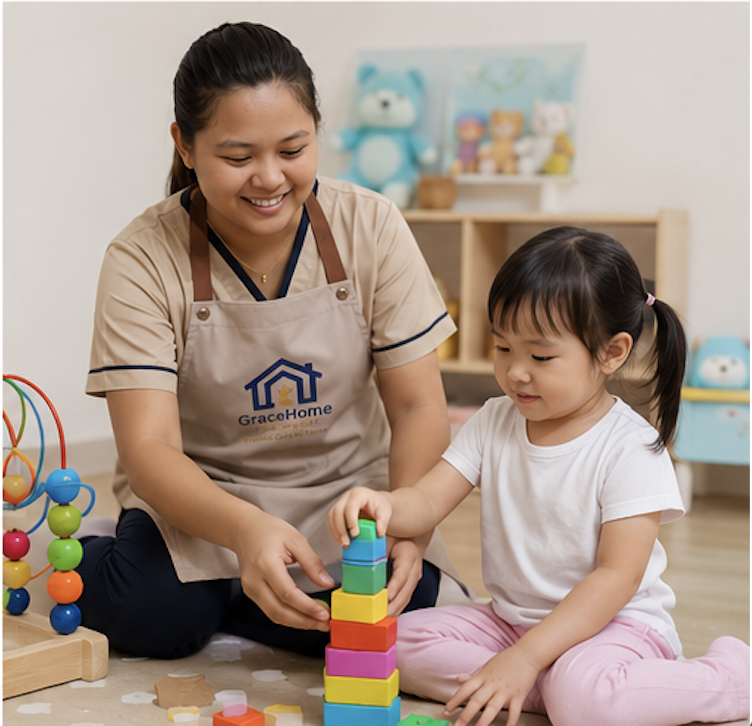
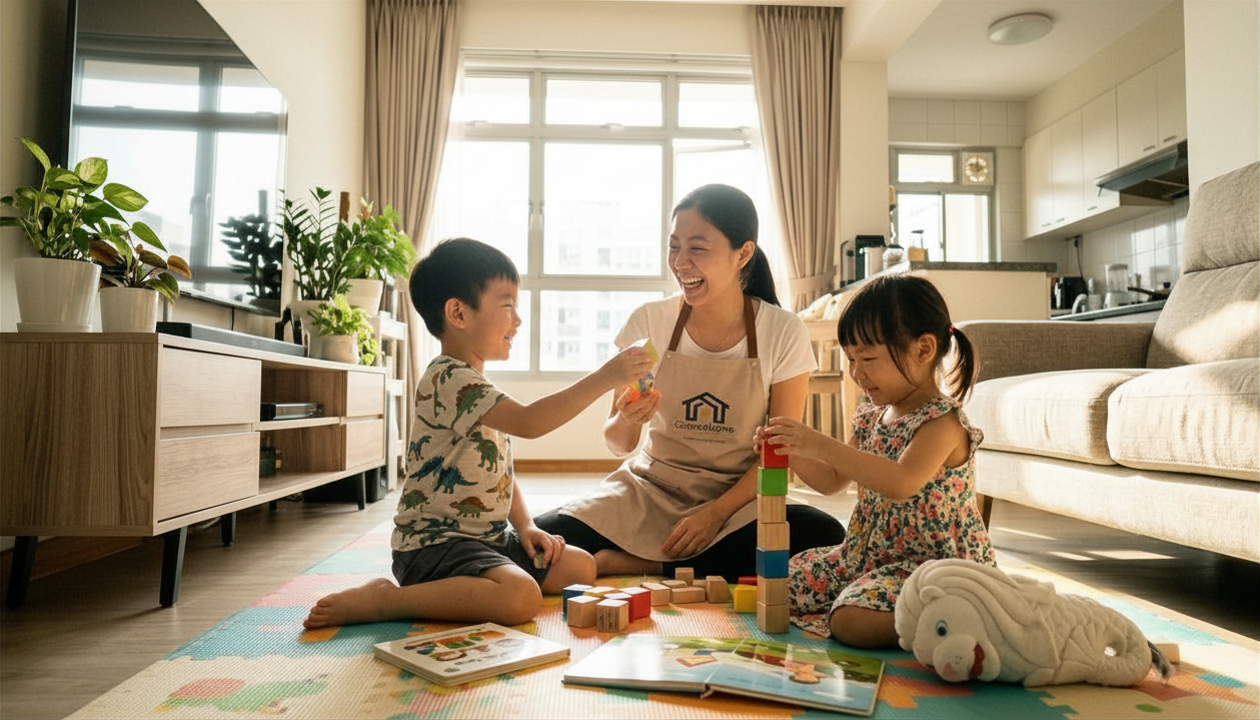
A baby caregiver is someone who provides day-to-day support in caring for an infant or young child. In a Singapore household, this may include a domestic helper whose responsibilities involve childcare as well as household duties.
Depending on the family’s needs, a baby caregiver may assist with:
- Feeding and bottle preparation
- Burping
- Diaper changing
- Bathing and grooming
- Dressing the baby
- Maintaining baby-related hygiene
- Comforting and settling the baby
- Following feeding and sleeping routines
- Cleaning and organising baby-related items
- Supervising the baby
- Supporting parents with daily childcare
The exact responsibilities will depend on the household. Parents should communicate their expectations clearly and ensure that the caregiver understands the family’s preferred routines and childcare practices.
Why Does Baby Care Require Specialised Skills?
Babies cannot communicate their needs verbally, which means caregivers need to pay close attention to their behaviour and routines.
A baby’s feeding, sleeping and comfort needs can also change quickly. Something as simple as a change in feeding behaviour or unusual crying may require parents to take a closer look.
Baby care also involves safety considerations that are different from general household work. Infants are physically vulnerable and require close supervision during activities such as feeding, bathing, sleeping and being carried.
For these reasons, a good baby caregiver should have more than general housekeeping skills. Relevant childcare experience, appropriate training and a willingness to follow the parents’ instructions can all contribute to better support at home.
Essential Skills Every Baby Caregiver Should Have
1. Basic Newborn and Infant Care Knowledge
A baby caregiver should have a basic understanding of the everyday needs of newborns and infants.
This includes knowing how to:
- Handle and carry a baby safely
- Support the baby’s head and body
- Change diapers
- Feed and burp the baby
- Bathe the baby safely
- Dress the baby appropriately
- Comfort a crying baby
- Follow established routines
Experience with babies can be particularly valuable, but caregivers may also benefit from structured baby-care training that provides foundational knowledge before they begin working with a family.
2. Safe Feeding and Bottle-Handling Skills
Feeding is one of the most important parts of caring for a baby. A caregiver should be able to follow the parents’ instructions carefully when preparing and handling feeds.
Relevant skills include:
- Preparing bottles according to instructions
- Handling feeding equipment hygienically
- Holding and positioning the baby safely during feeding
- Burping the baby
- Following the baby’s established feeding schedule
- Cleaning feeding equipment appropriately
- Communicating any feeding concerns to the parents
A caregiver should not independently change a baby’s formula, feeding routine or dietary requirements without the parents’ instructions or appropriate professional advice.
3. Diaper Changing and Baby Hygiene
Good hygiene is an essential part of infant care.
A baby caregiver should understand the importance of:
- Washing hands before handling the baby
- Changing diapers safely
- Cleaning the baby appropriately
- Keeping changing areas clean
- Washing baby clothing and towels
- Cleaning baby-related items
- Disposing of used diapers properly
Proper hygiene practices can help create a cleaner and safer environment for the baby.
4. Safe Bathing and Baby Handling
Bathing requires constant attention because babies can be particularly vulnerable around water.
A caregiver should know how to prepare the bathing area and supplies beforehand, support the baby properly, and maintain close supervision throughout the process.
Important practices include:
- Preparing everything before beginning the bath
- Supporting the baby’s head and body
- Checking the water appropriately
- Keeping the baby within reach at all times
- Never leaving a baby unattended around water
- Safely carrying and transferring the baby
These are practical skills that can be reinforced through appropriate baby-care training.
5. Safe-Sleep Awareness
Sleep is an important part of an infant’s daily routine. A caregiver should understand and follow the family’s established sleeping arrangements and routines.
They may need to recognise when the baby is becoming tired, help establish a consistent routine, and follow the parents’ instructions regarding the baby’s sleeping environment.
A baby caregiver should also understand that parents may have specific preferences and safety practices that need to be followed consistently.
6. Patience and Emotional Maturity
Looking after a baby can be demanding. Babies may cry frequently, wake during the night, require repeated feeding, or become unsettled without an obvious reason.
Patience is therefore one of the most important qualities of a good baby caregiver.
A suitable caregiver should remain calm and attentive when dealing with:
- Frequent crying
- Feeding difficulties
- Night waking
- Unpredictable routines
- Repeated diaper changes
- Messes and other everyday challenges
Parents should consider personality and temperament alongside practical experience when selecting a caregiver.
7. Strong Observation Skills
Because babies cannot explain how they are feeling, caregivers need to pay attention to changes in their behaviour and routines.
A caregiver should be attentive to changes in:
- Feeding
- Sleeping
- Crying
- Energy levels
- Behaviour
- Bowel movements
- General appearance
For example, if a baby is feeding significantly less than usual or behaving unusually, the caregiver should inform the parents promptly.
The caregiver’s role is to observe and communicate, rather than attempt to diagnose medical conditions independently.
8. Basic First Aid and Emergency Awareness
Basic emergency awareness can be an important additional skill for anyone caring for a baby.
Depending on the caregiver’s training, this may include awareness of how to respond appropriately to situations such as:
- Choking
- Falls
- Burns
- Cuts
- Fever
- Breathing difficulties
- Other household emergencies
Parents may wish to consider caregivers who have relevant first-aid or infant-care training.
9. Good Communication With Parents
Communication is essential when another person is helping to care for your baby.
A baby caregiver should be comfortable informing parents about important aspects of the baby’s day, including:
- Feeding
- Sleeping
- Diaper changes
- Changes in behaviour
- Unusual crying
- Accidents or incidents
- Concerns about the baby’s wellbeing
Good communication gives parents greater visibility into their baby’s routine and allows concerns to be addressed promptly.
10. Ability to Follow Instructions
Every household has its own approach to childcare.
Parents may have specific preferences regarding:
- Feeding
- Sleeping
- Bathing
- Baby products
- Clothing
- Daily routines
- Soothing techniques
Even an experienced caregiver needs to understand that each family is different. A willingness to listen, ask questions, and follow reasonable instructions is an important part of being a suitable baby caregiver.
11. Time Management and Organisation
A baby caregiver may need to manage several tasks throughout the day.
These could include:
- Feeding
- Diaper changes
- Nap times
- Baby laundry
- Bottle cleaning
- Organising baby supplies
- Cleaning baby-related areas
- Other household responsibilities
Good organisation can help the caregiver maintain the baby’s routine while managing other agreed household duties.
12. Willingness to Learn
No two babies are exactly alike. A caregiver who has worked with one family may still need to learn a new family’s routines and preferences.
A good baby Caregiver should therefore be willing to:
- Ask questions
- Learn new routines
- Accept feedback
- Follow updated instructions
- Adapt to the baby’s changing needs
- Communicate when they are unsure about something
This is one reason why training and experience should work together, rather than treating either one as a substitute for the other.
Maid Training for Baby Care: Why Does It Matter?
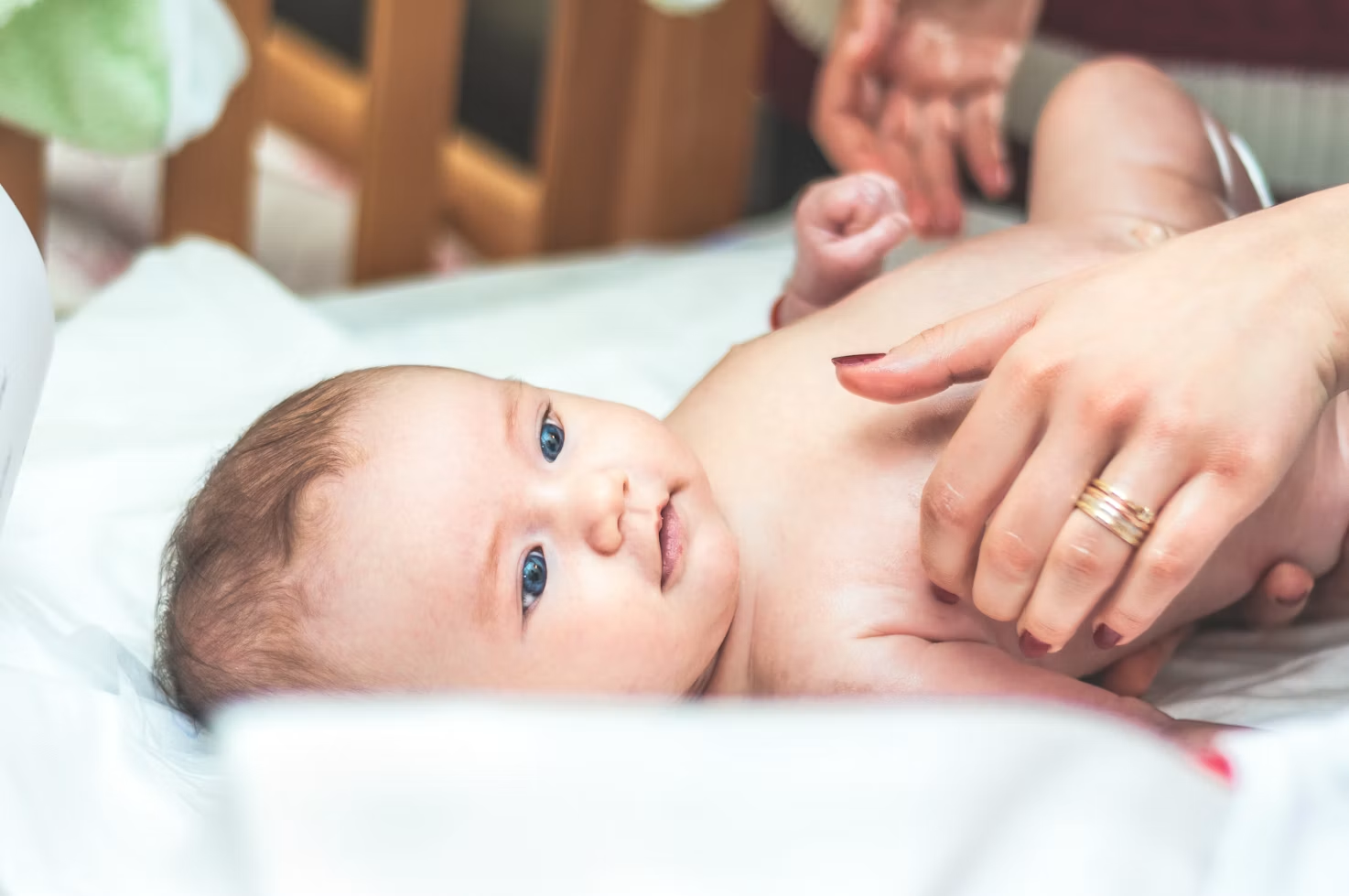
Previous childcare experience can be valuable, but structured training can provide a helper with foundational knowledge and practical skills relevant to caring for babies.
For families hiring a maid to support baby care, asking about relevant training can therefore be an important part of the selection process.
Training may help a caregiver develop a better understanding of areas such as:
- Basic infant care
- Baby hygiene
- Feeding and bottle handling
- Diaper changing
- Safe baby handling
- Bathing
- Daily baby routines
- Infant safety
- Communication with parents
- Recognising situations that require parental attention
Training does not replace experience or the instructions provided by parents. Instead, it can give a caregiver a stronger starting point before they begin supporting a family.
Trained Helpers for Baby Care at Home
At Grace Home, we understand that caring for a baby requires more than household skills. That is why we provide our helpers with basic baby care training to equip them with foundational knowledge and practical skills relevant to supporting families with infants and young children.
Through this training, our helpers gain a better understanding of essential areas of baby care, including baby hygiene, feeding routines, safe handling, bathing, daily routines, infant safety and communication with parents.
The training gives our helpers a stronger foundation before they begin supporting families with baby-care responsibilities. Combined with our maid matching process, this helps us identify a helper whose experience, skills and suitability are aligned with each household’s specific requirements.
Looking for a maid to support baby care in Singapore? Speak to Grace Home about finding a helper with basic baby-care training.
What Does Baby Caregiver Training Cover?
The specific content of training can vary, but foundational baby-care training may cover several important areas.
Baby Hygiene and Personal Care
Caregivers can learn the importance of proper hygiene when handling babies, changing diapers and maintaining baby-related items and areas.
Feeding and Bottle Preparation
Training can introduce basic practices relating to feeding routines, bottle handling and the importance of maintaining appropriate hygiene when preparing and handling feeding equipment.
Safe Baby Handling
Caregivers can learn foundational practices for carrying, holding and handling babies safely, including appropriate support for an infant’s head and body.
Bathing and Grooming
Training can cover basic preparation and safe practices for bathing and caring for a baby’s personal hygiene needs.
Infant Safety
Caregivers can develop greater awareness of common safety considerations around the home and the importance of close supervision.
Daily Baby Routines
Training can help caregivers understand how everyday activities such as feeding, sleeping, bathing and diaper changes can form part of a baby’s routine.
Communication and Observation
Caregivers can also learn the importance of observing a baby’s behaviour and communicating relevant information or concerns to the parents.
How to Choose a Trained Baby Caregiver in Singapore
Training is one factor to consider when selecting a caregiver. Parents should also assess the candidate’s previous experience, personality, communication skills and suitability for their household.
Ask About Previous Baby-Care Experience
Parents can ask questions such as:
- Have you cared for a newborn before?
- How old were the babies you cared for?
- What childcare responsibilities did you have?
- Have you cared for multiple children?
- Have you supported a family with a newborn?
These questions can help parents understand whether the candidate’s experience matches their family’s requirements.
Ask About Baby-Care Training
It can also be useful to understand what training the caregiver has received.
For example, parents can ask:
- What type of baby-care training have you completed?
- What areas did the training cover?
- Did the training include practical skills?
- Have you received first-aid training?
Rather than looking for a single qualification, consider whether the caregiver’s training and experience are appropriate for the responsibilities involved.
Consider Personality and Compatibility
Technical skills are important, but so are personal qualities.
Parents may want to look for a caregiver who is:
- Patient
- Attentive
- Responsible
- Calm
- Communicative
- Willing to learn
- Comfortable receiving feedback
The caregiver will be working closely with the family, so household compatibility matters.
Consider Both Training and Experience
The ideal candidate is not necessarily the person with the longest list of qualifications.
Instead, parents should consider the overall combination of:
Training + experience + attitude + communication + household suitability
This provides a more balanced way of evaluating a potential baby caregiver.
Should You Hire a Maid for Baby Care in Singapore?
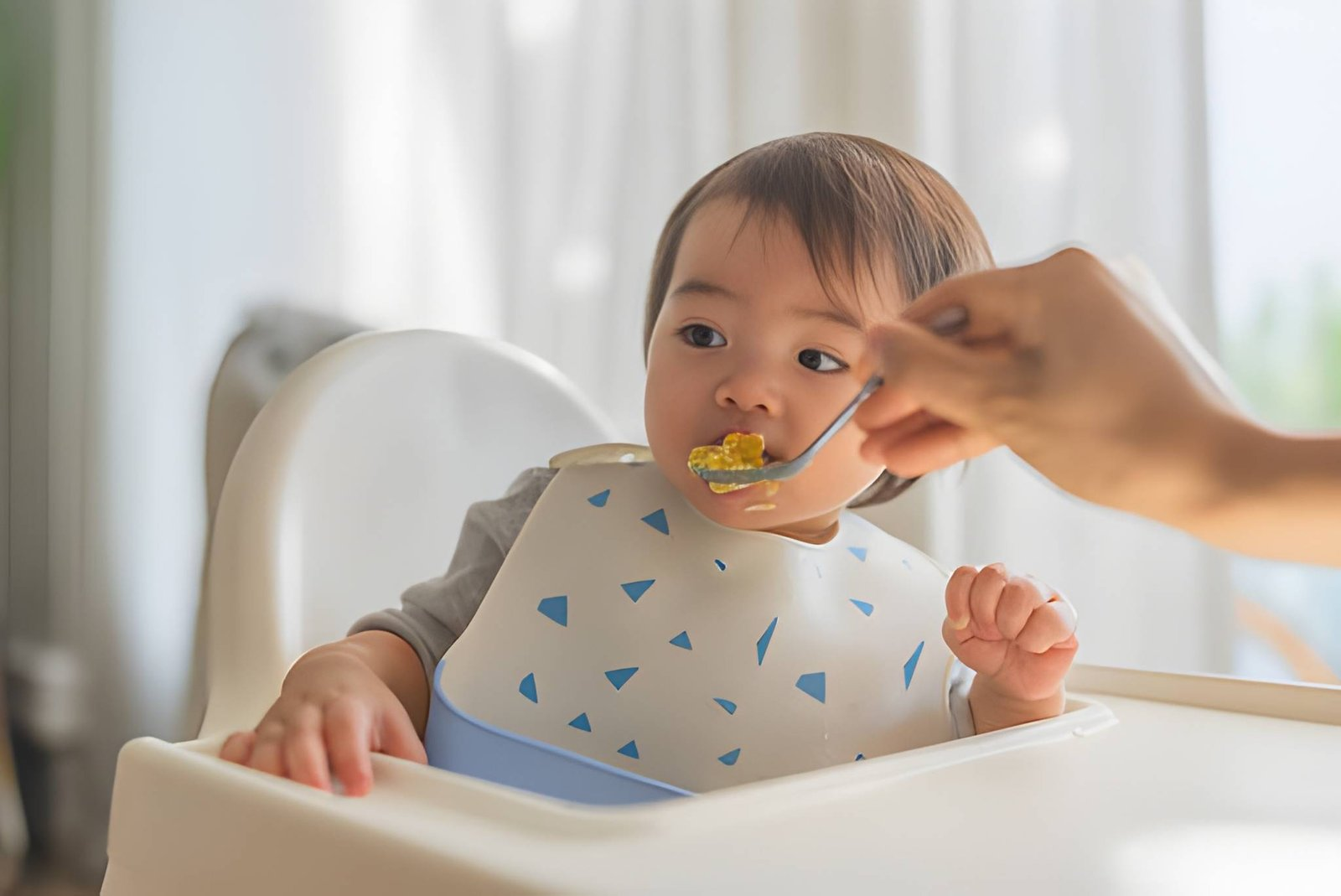
Some families choose to employ a domestic helper who can assist with childcare alongside other household responsibilities.
Having a helper at home can provide additional support for parents, particularly when they are managing demanding work schedules or other family responsibilities.
Benefits of Having a Baby Caregiver at Home
A suitable helper may assist with:
- Daily baby-care routines
- Feeding and bottle-related tasks
- Diaper changes
- Baby laundry
- Cleaning baby-related items
- General household chores
- Supporting parents with day-to-day childcare
The exact duties should be discussed clearly with the helper and matched to the needs of the household.
What Parents Should Consider
Before hiring, consider:
- The baby’s age
- The caregiver’s previous childcare experience
- Relevant training
- Household size
- Expected responsibilities
- Communication ability
- Workload
- Rest arrangements
- Family expectations
It is also important to remember that a domestic helper should not be expected to take on unreasonable workloads simply because childcare is part of the job.
How Parents Can Prepare a Baby Caregiver
Even a trained caregiver needs time to understand the specific needs of your family.
Explain Your Baby’s Routine
Provide clear information about:
- Feeding
- Sleeping
- Bathing
- Diaper changes
- Soothing
- Daily activities
A written routine can be useful, particularly during the caregiver’s first few weeks.
Demonstrate Household-Specific Procedures
Parents should demonstrate how they would like specific tasks to be performed, such as:
- Preparing bottles
- Cleaning baby equipment
- Washing baby clothing
- Organising baby supplies
- Using household baby products
This helps avoid misunderstandings.
Establish Emergency Procedures
Make sure the caregiver knows:
- How to contact the parents
- Who to contact in an emergency
- Where important household information is kept
- When to contact the parents about concerns
Give Feedback During the Adjustment Period
Open communication can make the transition easier for everyone.
If the caregiver is unfamiliar with a particular routine, explain the preferred approach and allow them to ask questions.
Common Mistakes to Avoid When Hiring a Baby Caregiver
Parents should avoid assuming that every domestic helper will automatically be comfortable caring for a newborn or young baby.
Common mistakes include:
1. Assuming Every Maid Has Baby-Care Experience
Household experience does not necessarily mean previous newborn or infant-care experience.
2. Choosing Based Only on Nationality
Nationality alone does not determine whether someone is suitable for childcare. Experience, training, attitude and compatibility should also be considered.
3. Ignoring Training
Relevant training can provide useful foundational knowledge, particularly for caregivers who have limited previous infant-care experience.
4. Failing to Check Previous Experience
Ask about the ages of children the candidate has cared for and the responsibilities involved.
5. Giving Unclear Instructions
A caregiver cannot follow routines they have not been told about.
6. Expecting Immediate Familiarity
Even an experienced caregiver needs time to learn your baby’s individual routine.
7. Giving Too Many Responsibilities
If the caregiver is expected to handle intensive childcare and numerous household duties simultaneously, the workload should be considered carefully.
8. Failing to Establish Emergency Procedures
Caregivers should know how to contact parents and what to do if an unexpected situation occurs.
9. Leaving All Childcare Decisions to the Helper
Parents should remain involved in important decisions about their baby’s health, feeding, routines and wellbeing.
Find a Trained Baby Caregiver in Singapore With Grace Home

Finding the right baby caregiver involves more than looking for someone who can manage household chores. Families need a helper who understands the basics of baby care, is willing to follow their routines and can provide attentive support at home.
At Grace Home, our helpers receive basic baby-care training to build foundational knowledge in essential areas of infant care. We then work with families to identify a helper whose experience, skills and suitability match their household needs.
Whether you are looking for support with newborn care, daily baby routines or childcare alongside household responsibilities, our team can help you explore suitable options.
Looking for a Trained Baby Caregiver in Singapore?
Speak to Grace Home about finding a suitable helper for your family.